Kunstfabrik Schlot: From Puppetry to Jazz
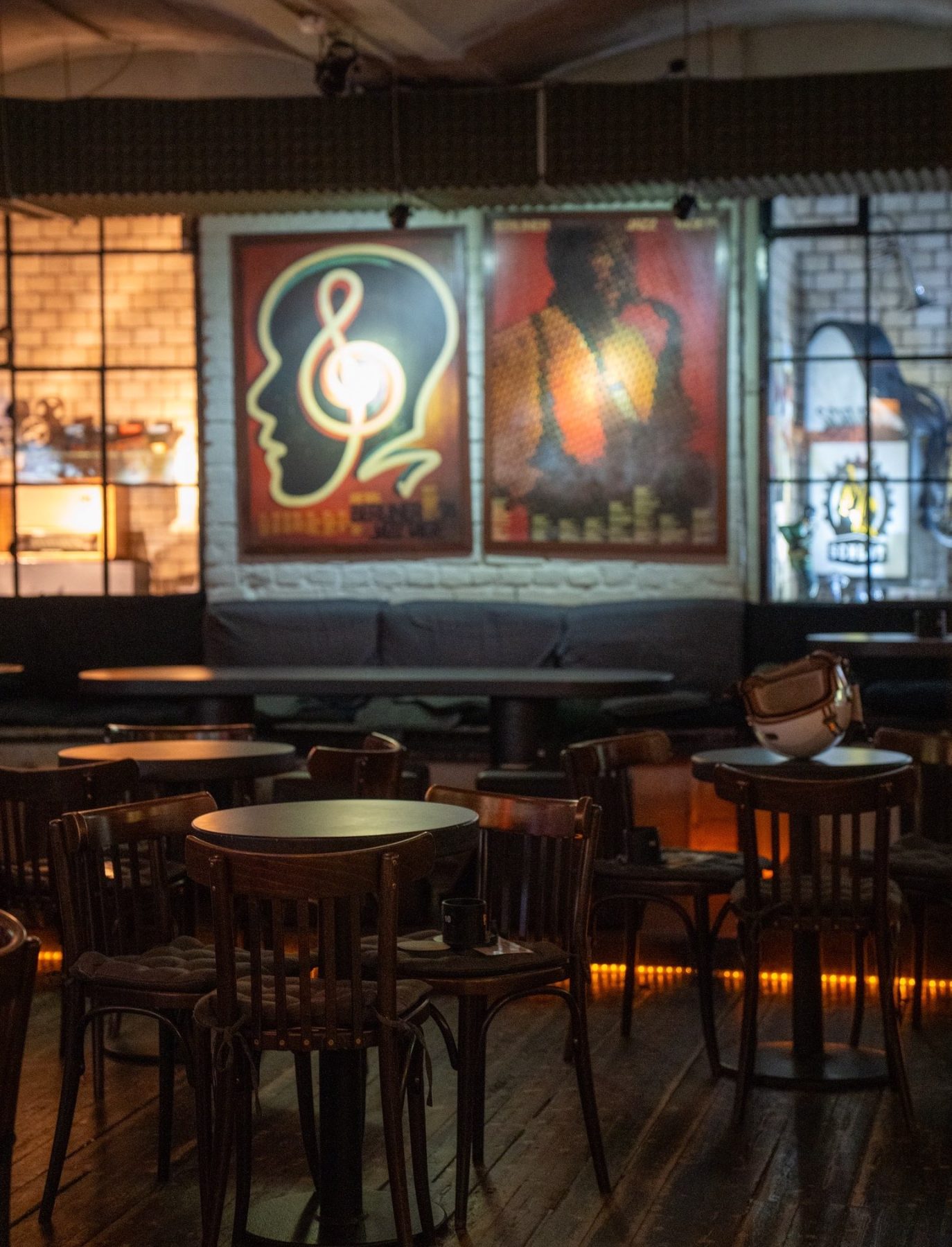
One of the venues for this year's Freeform Tradition Festival in Berlin is the Kunstfabrik Schlot, a famous jazz club in the city's Mitte district. The club has a rich and unusual history that exemplifies Berliners' love of culture and the variety of things that can thrive here.
Originally founded in 1993 by Thorsten Hoffmann and Frank Delenschke, it started as a small live stage in Prenzlauer Berg that featured puppetry. After the fall of the Berlin Wall, the area became a hotspot for experimental venues and creative projects, many of which drew on DDR-era traditions, including puppetry and other performance arts.
When Thorsten Hoffmann and Frank Delenschke founded the club in 1993, they opened with a puppetry program in the backyard of their building. This decision aligned with the local scene, where many new venues were experimenting with unconventional, multidisciplinary art forms. Puppetry was an accessible, creative, and somewhat underground way to open a new cultural space, attracting an audience interested in alternative arts.
The first idea behind Kunstfabrik Schlot was indeed a puppet theater! The club's name, Schlot, comes from a distinctive chimney visible from the venue's windows. Schlot means "chimney" in German. Soon apart from puppet shows Kunstfabrik Schlot started adding regular jazz jam sessions.
During the turbulent post-reunification years, the Schlot gained a reputation as a beloved spot for live jazz and cabaret performances, enjoyed by artists and audiences alike. However, due to official regulations and disputes with the authorities, the club was forced to relocate. After a long search, it reopened in April 2000 in a larger, more central location in Berlin-Mitte, specifically in the Edison Höfe near the Nordbahnhof. The new 165-square-meter space features an industrial yet warm ambiance with interiors of iron, stone, and wood, preserving an authentic jazz club atmosphere without pretension or stuffiness.
Today, the Schlot is run by pianist and co-founder Stefan Berker and John Kunkeler. John is a Dutch-born Berlin resident and marathon runner who met Stefan through running. Both are marathon enthusiasts, and their unique partnership is reflected in the club's spirit.
After taking over the Schlot in 1996, Kunkeler and his team discovered that the venue had no official license: a reflection of the chaotic, creative post-reunification years. The authorities only tolerated the club until the first complaint from neighbors, at which point it would have to close. To keep the peace, Kunkeler handed out Haribo "white mice" candies to guests as they left, believing that "with a full mouth, you don't talk." This clever tactic reduced noise complaints and bought the club more time to operate.
Remarkably, The Schlot has operated without public funding, relying on the dedication of its team and community support. The Schlot has become a respected institution in Berlin's jazz scene, hosting concerts, exhibitions, and events tied to the Berlin Marathon.
In summary, the Kunstfabrik Schlot story is one of resilience and passion. It began as a small post-reunification venue in Prenzlauer Berg and evolved into a beloved, central jazz and cabaret institution in Mitte. Two marathon runners are committed to preserving Berlin's jazz culture and lead the venue.
This year, for the FFT, Kunstfabrik Schlot will host a show by Bulat Gafarov on September 25.