Berlin Techno: From Underground to UNESCO Heritage
Here’s an unusual entry on the UNESCO heritage list: the techno scene of Berlin. A tradition worth preserving does not have to be ancient; it can be recent and still be meaningful and important to a community. How and why was techno added to Germany's National Inventory of Intangible Cultural Heritage in 2024?
Techno originated in Detroit in the mid-1980s. It was influenced by American and European electronic sounds, including those of German pioneers like Kraftwerk. Techno arrived in Berlin at the end of the decade, just as the Berlin Wall fell in 1989. The reunification of East and West Berlin created a unique environment in which abandoned buildings, power plants, and bunkers became sites for illegal raves and parties where young people from both sides celebrated their newfound freedom.
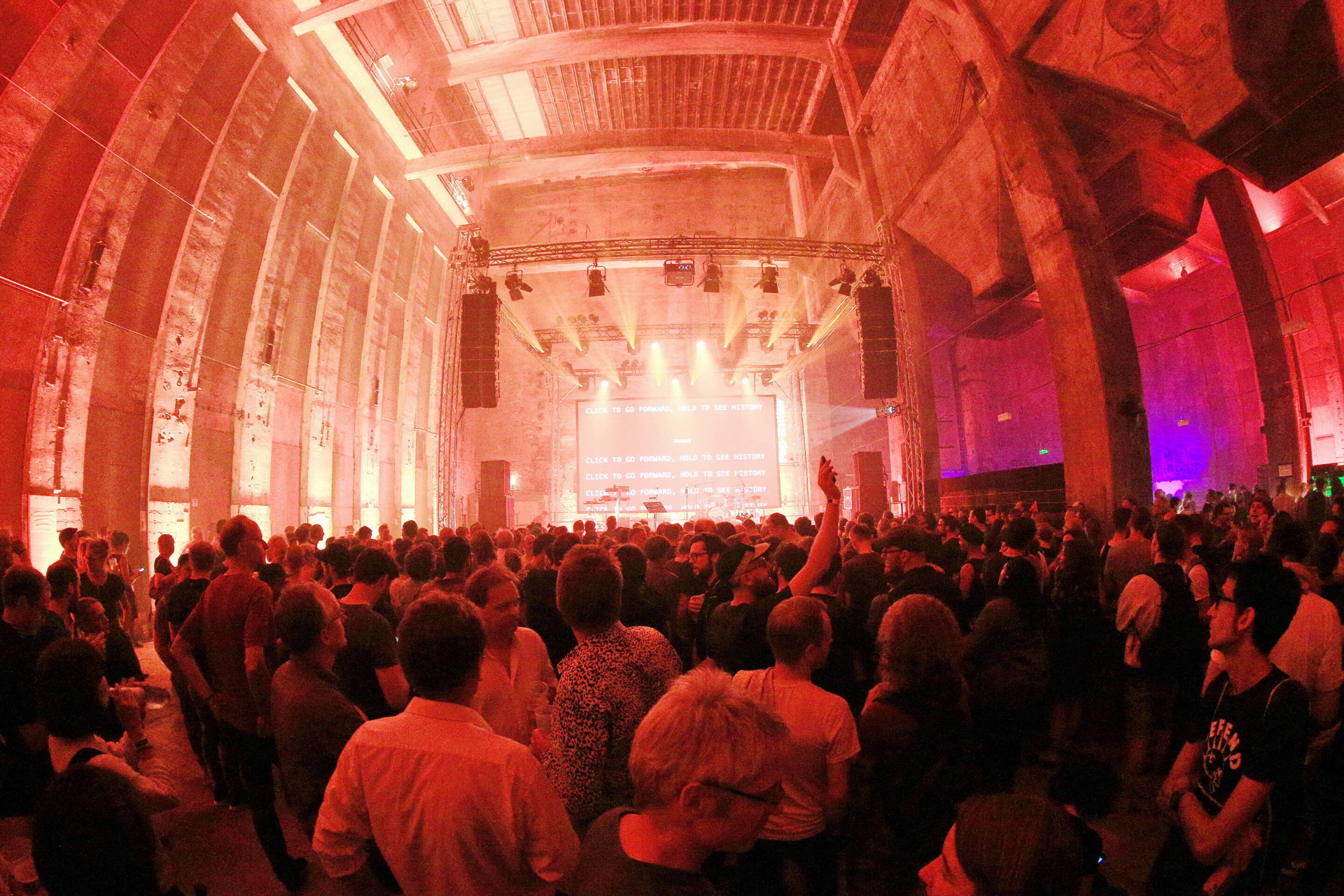
Many iconic Berlin techno clubs are located in repurposed industrial buildings, such as former power plants and bank vaults. These clubs' raw, industrial architecture, featuring exposed brick, steel beams, and minimal lighting, has become a hallmark of the scene. The underground scene grew quickly, and clubs like Tresor, Der Bunker, and E-Werk became central to Berlin’s techno culture. Techno became the soundtrack of a new era, symbolizing unity, creativity, and openness in post-Wall Berlin.
Berlin quickly became a global hotspot for techno, with clubs like Berghain achieving international fame. Berghain's reputation for cutting-edge music, a unique atmosphere, and a selective door policy make it a popular destination for Germans and international tourists seeking an authentic techno experience.
Techno culture in Berlin evolved into much more than a musical movement. With an emphasis on collective experience, self-expression, and reclaiming public spaces, the scene became a symbol of creative freedom and renewal. This culture influenced not only music, but also visual arts, live performances, and even the city’s political and diplomatic image as a capital of openness and innovation.
The city administration values its tech scene. During the pandemic, clubs received support to help them stay afloat. On Fridays and Saturdays, the Berlin transportation system operates late into the night to accommodate partygoers.
In March 2024, Berlin's techno culture was officially added to the German National Inventory of Intangible Cultural Heritage, following a multi-year campaign led by the nonprofit organization Rave the Planet gGmbH and key figures from the techno scene, including Dr. Motte and Ellen Doss-Röingh. Inspired by Swiss mathematician and musicologist Hans Cousto, the initiative began in 2011 with the goal of recognizing techno as intangible cultural heritage.
Rave The Planet's 13-year campaign demonstrates the community's commitment to formal recognition. Their documentation process, which included research, interviews, and film, shows how contemporary cultural movements can establish a historical record similar to that of traditional heritage sites.
After years of research, interviews, and documentation, including a short documentary film about Berlin's techno culture, the German National Commission added Berlin's techno culture to UNESCO's German National Inventory of Intangible Cultural Heritage.
This recognition suggests that UNESCO's definition of cultural heritage is expanding to include meaningful practices that define communities and places, even if they are only decades old.